
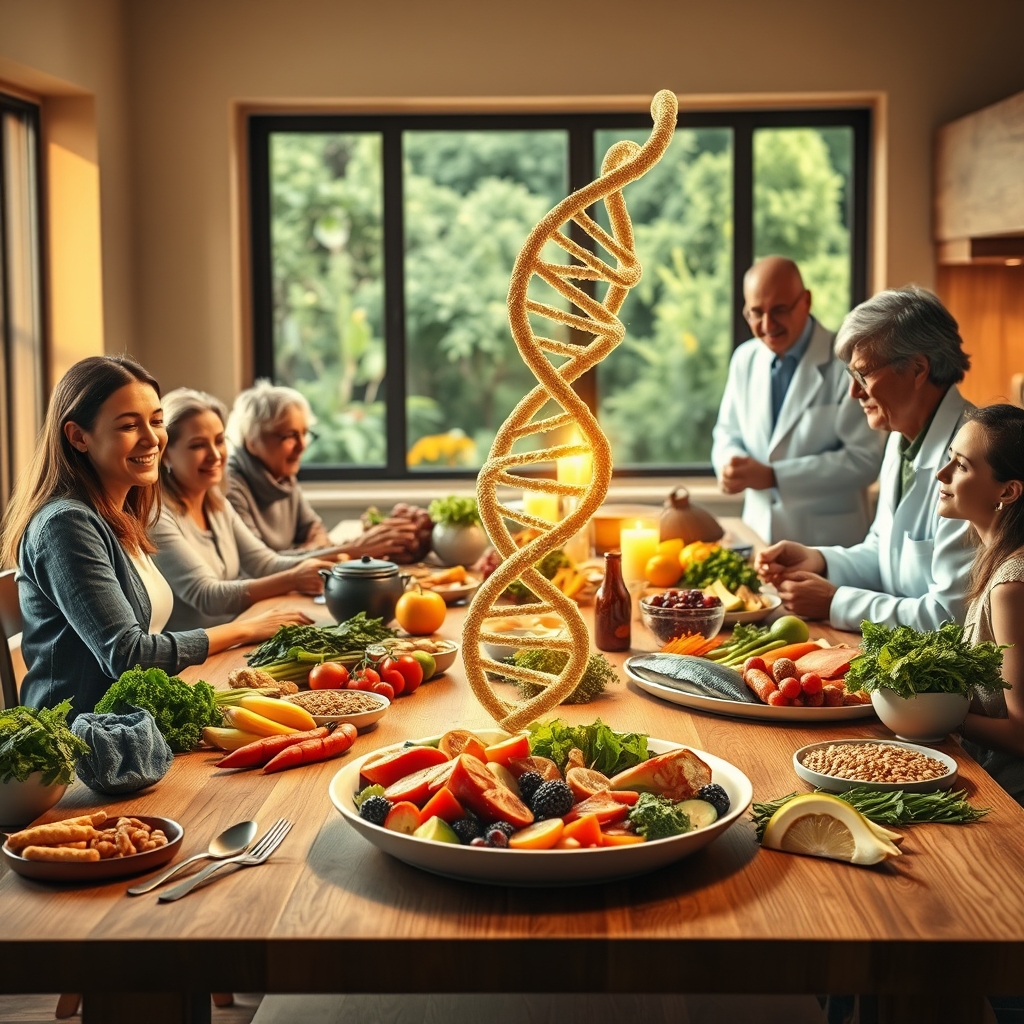
Imagine, for a moment, that your body is a vast, bustling metropolis. Every cell, a skyscraper; every gene, a blueprint guiding the city’s growth. Now, picture your fork as the mayor, wielding the power to shape this urban landscape with every bite. This isn’t science fiction—it’s the revolutionary world of nutrigenomics, where the food you eat doesn’t just fuel your body but actively rewrites the story encoded in your DNA. Welcome to the frontier of personalized health, where your plate is your most potent prescription.
The Science of Culinary Alchemy
Nutrigenomics is the study of how nutrients interact with our genes, influencing everything from metabolism to disease risk. It’s a field that turns the age-old adage “you are what you eat” into a molecular reality. Scientists have discovered that certain foods can switch genes on or off like a light switch, altering how our bodies function at the most fundamental level. For instance, sulforaphane in broccoli can activate genes that detoxify carcinogens, while omega-3 fatty acids in fish can dampen inflammation by tweaking genetic pathways. This isn’t just about avoiding illness—it’s about optimizing health, tailoring your diet to your unique genetic makeup to unlock your body’s full potential.
The implications are staggering. What if a simple blood test could reveal which foods your genes respond to best? What if your breakfast could be designed to silence the genes predisposing you to diabetes or heart disease? This is no longer the stuff of futuristic dreams. Companies like Nutrigenomix and Habit are already offering genetic testing that provides personalized dietary recommendations, turning the one-size-fits-all approach to nutrition on its head. The era of generic diet plans is fading; the future belongs to the bespoke.
The Epigenetic Kitchen: Cooking for Your Genes
Epigenetics, the study of how lifestyle factors influence gene expression, is the secret sauce in this culinary revolution. Unlike your DNA sequence, which is fixed, epigenetic marks are dynamic and responsive to your environment—especially your diet. Think of them as annotations in the margins of your genetic book, written and rewritten by the foods you choose. A diet rich in folate, found in leafy greens, can add protective marks to genes linked to cancer, while excessive sugar can scribble over them with inflammatory notes.
This is where the kitchen becomes a laboratory. The Mediterranean diet, long celebrated for its heart-healthy benefits, is now understood to work its magic through epigenetic mechanisms. The polyphenols in olive oil, the resveratrol in red wine, and the fiber in whole grains don’t just nourish—they reprogram. They silence genes associated with oxidative stress and activate those that promote longevity. It’s not just about eating well; it’s about eating intentionally, with every meal serving as a brushstroke in the masterpiece of your genetic expression.
The Dark Side of the Fork: When Food Betrays Your Genes
But for all its promise, nutrigenomics also reveals a darker truth: the wrong foods can be genetic saboteurs. Processed foods laden with trans fats and refined sugars don’t just expand your waistline—they leave epigenetic scars. Studies have shown that a high-fat, high-sugar diet can alter gene expression in ways that promote obesity, insulin resistance, and even mental health disorders. These changes can be passed down to future generations, meaning the choices you make today could echo in your children’s DNA long after you’re gone.
This is the double-edged sword of nutrigenomics. On one hand, it empowers us to take control of our genetic destiny. On the other, it exposes the profound consequences of a diet disconnected from our biology. The rise of ultra-processed foods has created a genetic mismatch, where our bodies are bombarded with signals they weren’t evolved to handle. The result? A global epidemic of chronic diseases, from diabetes to Alzheimer’s, rooted in the silent rebellion of our genes.
From Farm to Fork to Future: The Ethical Plate
As we stand at the crossroads of this nutritional revolution, ethical questions loom large. If our food can rewrite our genes, who gets to decide what we eat? Should personalized nutrition be a luxury reserved for the wealthy, or a fundamental right accessible to all? The answers will shape the future of health equity. Already, initiatives like Food as Medicine programs are bridging the gap, providing low-income communities with access to nutrient-dense foods and genetic testing. But the journey is just beginning.
There’s also the question of privacy. Genetic data is deeply personal, and sharing it with nutrition companies raises concerns about how that information might be used—or misused. As the field advances, robust regulations will be essential to protect consumers from exploitation. The promise of nutrigenomics must be balanced with a commitment to transparency, consent, and equity.
The Recipe for a Healthier Tomorrow
So, where do we go from here? The first step is education. Understanding the power of food to shape our genes is the key to unlocking a new era of health. Schools, workplaces, and communities must prioritize nutrition literacy, teaching people not just what to eat, but why it matters. Imagine a world where children learn about epigenetics alongside their ABCs, where grocery stores offer genetic counseling alongside recipe cards. This is the future we must build.
Next, we need to democratize access. Personalized nutrition should not be a privilege but a cornerstone of public health. Governments and healthcare systems must invest in research and infrastructure to make genetic testing and tailored dietary advice available to everyone, regardless of income. The cost of inaction is too high—both in human suffering and economic burden.
Finally, we must reclaim the kitchen. In a world of convenience foods and takeout, cooking has become a lost art. Yet, it is one of the most powerful tools we have to shape our genetic destiny. The act of preparing a meal is an act of self-care, a daily opportunity to nourish not just our bodies but our genes. It’s time to fall in love with food again—not as a source of guilt or restriction, but as a source of power.
As you sit down to your next meal, take a moment to marvel at the symphony playing out on your plate. Every bite is a note in the composition of your health, a chance to harmonize with your genes and create a masterpiece of well-being. The fork in your hand is more than a utensil—it’s a conductor’s baton, guiding the orchestra of your DNA toward a future of vitality, resilience, and boundless possibility. The question is, what song will you choose to play?
You may also like
-
The Whispering Winds of Wellness: How Fresh Air is the Unsung Architect of Your Health Sanctuary
-
The Luminous Link: How Light Exposure Beyond Sunrise is Painting a New Portrait of Health
-
The Symphony of Sleep: How Restorative Rest Conducts Your Health Masterpiece
-
The Golden Hour: How Morning Sunlight is the Ultimate Prescription for Vibrant Health
-
The Breath of Life: How Oxygen and Mindful Respiration Are Redefining Modern Wellness