
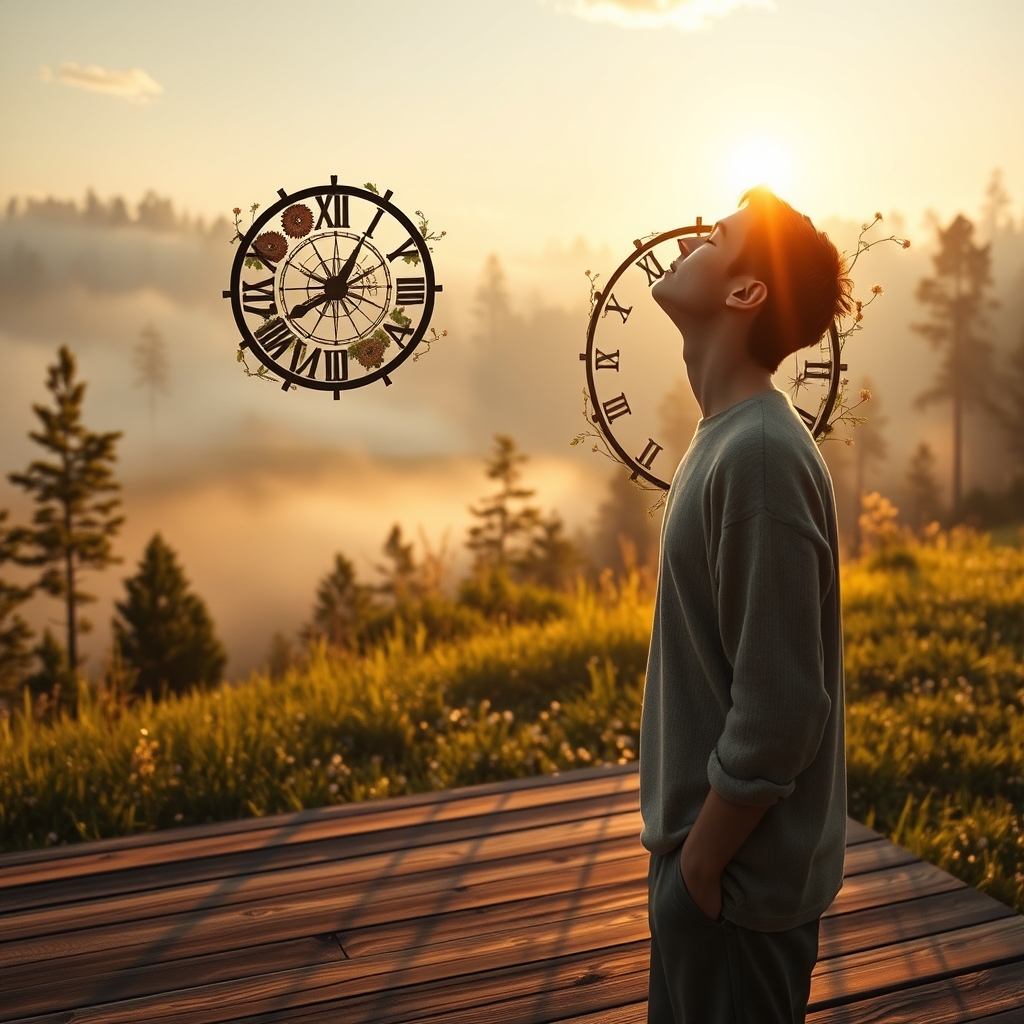
Imagine your body as a grand orchestra, each cell a musician, every organ a section, all playing in perfect harmony under the baton of an invisible maestro. This maestro is your circadian rhythm—a 24-hour internal clock that doesn’t just tell time but conducts the symphony of your health. From the moment the first light of dawn kisses your eyelids to the hush of twilight, this rhythm pulses through your veins, whispering when to wake, when to eat, when to rest, and even when to heal. Yet, in our modern world of artificial lights, midnight snacks, and round-the-clock productivity, we’ve drowned out its melody. The result? A cacophony of fatigue, inflammation, and chronic disease. But what if tuning back into this ancient rhythm could be the key to unlocking a healthier, more vibrant life?
The Science of Your Body’s Inner Clock
Circadian rhythms are not just a poetic metaphor; they are a biological reality, hardwired into nearly every cell in your body. Governed by a tiny region in the brain called the suprachiasmatic nucleus (SCN), these rhythms respond to light and darkness, syncing your physiology with the natural world. When sunlight floods your retinas at dawn, the SCN signals your body to suppress melatonin, the sleep hormone, and ramp up cortisol, the alertness hormone. As the sun sets, the opposite occurs: melatonin rises, body temperature drops, and your cells shift from energy production to repair and regeneration.
But here’s the catch: your circadian rhythm isn’t just about sleep. It orchestrates a staggering array of processes—metabolism, digestion, immune function, even mood regulation. Studies have shown that when this rhythm is disrupted, the consequences can be severe. Night shift workers, for example, face a higher risk of obesity, diabetes, cardiovascular disease, and certain cancers. Even something as seemingly innocuous as late-night screen time can throw your clock out of sync, leading to poor sleep quality, impaired cognitive function, and increased inflammation.
Eating in Tune: The Power of Time-Restricted Feeding
One of the most profound ways your circadian rhythm influences health is through metabolism. Your body isn’t designed to process food around the clock. Instead, it thrives on cycles of feasting and fasting, aligned with the rising and setting of the sun. This is where the concept of time-restricted feeding (TRF) comes into play—a practice that confines eating to a specific window of time, typically 8-12 hours, and fasting for the remaining 12-16 hours.
Research has shown that TRF can have a transformative impact on health. In one study, participants who ate within a 10-hour window experienced significant improvements in blood sugar control, cholesterol levels, and blood pressure—all without changing what they ate. Another study found that mice fed a high-fat diet within a restricted time frame were protected from obesity and metabolic disease, while those allowed to eat around the clock became obese and diabetic. The takeaway? It’s not just what you eat, but when you eat that matters.
The Gut-Circadian Connection
Your gut, often called the “second brain,” is deeply intertwined with your circadian rhythm. The trillions of microbes residing in your digestive tract have their own internal clocks, which sync with yours to regulate everything from nutrient absorption to immune function. When your eating patterns are erratic, these microbes fall out of rhythm, leading to dysbiosis—a state of imbalance that’s been linked to conditions like irritable bowel syndrome (IBS), obesity, and even depression.
Emerging research suggests that aligning your eating window with your circadian rhythm can help restore gut health. For example, a study published in Cell found that mice fed during their active phase (equivalent to daytime for humans) had a more diverse and resilient gut microbiome compared to those fed during their inactive phase. This diversity is crucial for maintaining a strong immune system, reducing inflammation, and even protecting against mental health disorders.
Light: The Most Powerful Zeitgeber
If your circadian rhythm is the maestro, light is the metronome—keeping time and ensuring every musician stays in sync. Natural light, in particular, is the most potent zeitgeber (a German word meaning “time giver”) for your internal clock. Exposure to morning sunlight helps set your rhythm for the day, while the gradual dimming of light in the evening signals your body to wind down. Unfortunately, modern life has disrupted this natural cycle. We spend our days indoors under artificial lights and our evenings bathed in the blue glow of screens, confusing our brains into thinking it’s still daytime.
The solution? Simple but powerful changes. Start your day with a dose of natural light—step outside for a few minutes, even if it’s cloudy. As the day progresses, dim the lights in your home and reduce screen time in the hours leading up to bed. If you must use devices at night, consider blue-light-blocking glasses or enabling a warm light filter. These small adjustments can help realign your rhythm, improving sleep quality and overall health.
Sleep: The Ultimate Reset Button
Sleep is the crescendo of your circadian symphony—the moment when your body shifts from activity to restoration. During deep sleep, your brain flushes out toxins, your muscles repair themselves, and your immune system strengthens. Yet, in our 24/7 world, sleep is often the first thing we sacrifice. The consequences are dire: chronic sleep deprivation has been linked to a host of health issues, from weight gain and insulin resistance to Alzheimer’s disease and depression.
But here’s the good news: prioritizing sleep isn’t just about quantity; it’s about quality and consistency. Going to bed and waking up at the same time every day—even on weekends—helps reinforce your circadian rhythm. Creating a bedtime routine that signals to your body it’s time to wind down, such as reading a book, practicing meditation, or sipping herbal tea, can also make a world of difference. And if you struggle with insomnia, consider cognitive behavioral therapy for insomnia (CBTI), a highly effective, non-pharmacological treatment that helps rewire your brain for better sleep.
Movement: The Rhythm of Life
Your circadian rhythm doesn’t just influence when you sleep and eat; it also affects when you move. Your body is primed for physical activity during the day, with peak strength, flexibility, and endurance typically occurring in the late afternoon. This is why athletes often perform better in the evening, and why you might find your morning workouts feel sluggish. But movement isn’t just about performance—it’s a powerful tool for reinforcing your circadian rhythm.
Regular exercise, especially outdoors, helps regulate your internal clock by exposing you to natural light and increasing your body’s sensitivity to it. Even a short walk in the morning can help set your rhythm for the day. On the flip side, intense workouts late at night can disrupt sleep by raising core body temperature and stimulating the release of adrenaline. If you prefer evening exercise, opt for gentle activities like yoga or stretching, which can help prepare your body for rest.
As you lie in bed tonight, listening to the quiet hum of the world outside, take a moment to tune into the rhythm of your own body. Feel the rise and fall of your breath, the gentle thrum of your heartbeat, the subtle shifts as your cells prepare for rest. This is your circadian symphony—a masterpiece of biology that has evolved over millions of years to keep you in harmony with the natural world. In a society that glorifies constant productivity and round-the-clock connectivity, it’s easy to forget that our bodies are not machines. They are living, breathing, rhythmic beings, designed to ebb and flow with the cycles of the sun and moon. By realigning with these ancient rhythms, we don’t just improve our health; we reclaim a deeper connection to ourselves and the world around us. And perhaps, in doing so, we’ll find that the key to resilience, vitality, and true well-being was within us all along.
You may also like
-
The Whispering Winds of Wellness: How Fresh Air is the Unsung Architect of Your Health Sanctuary
-
The Luminous Link: How Light Exposure Beyond Sunrise is Painting a New Portrait of Health
-
The Symphony of Sleep: How Restorative Rest Conducts Your Health Masterpiece
-
The Golden Hour: How Morning Sunlight is the Ultimate Prescription for Vibrant Health
-
The Breath of Life: How Oxygen and Mindful Respiration Are Redefining Modern Wellness