
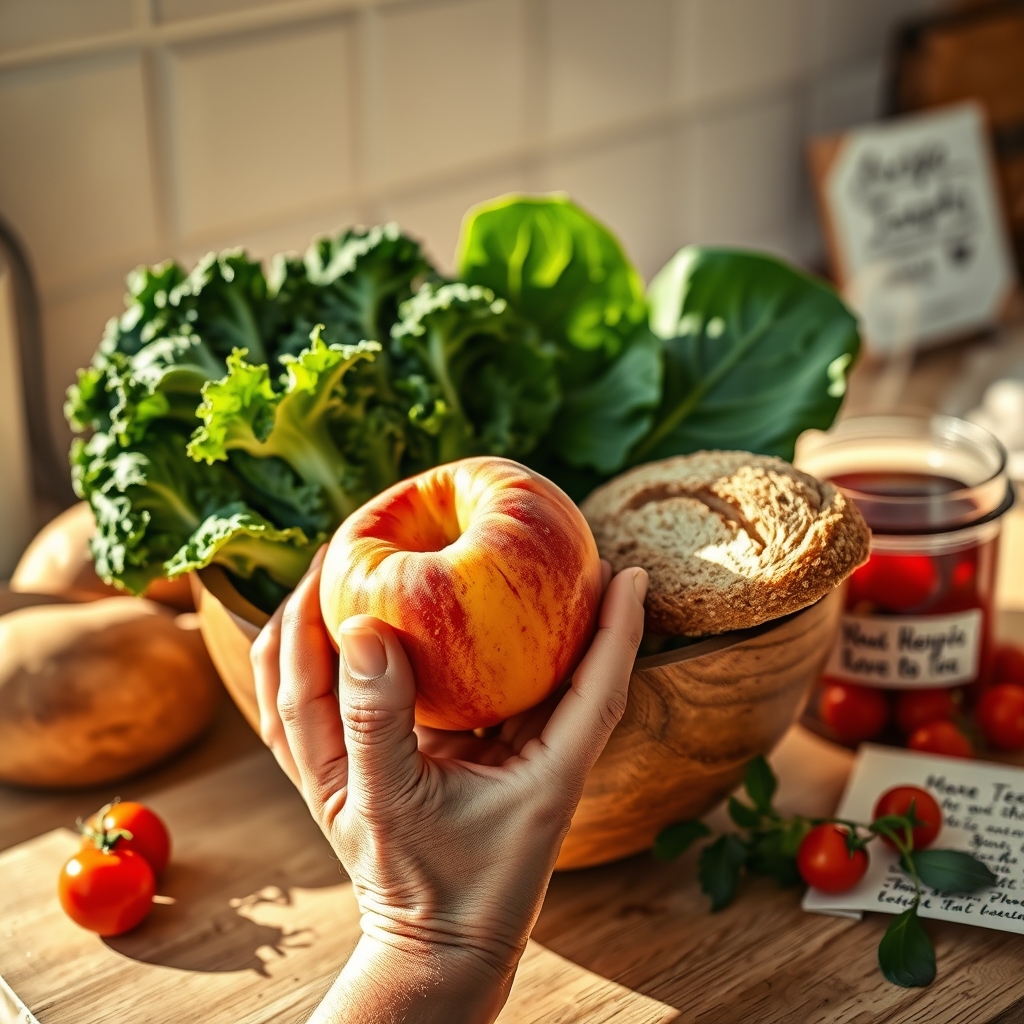
The act of eating is often reduced to a mere transaction—fuel in, energy out. But what if we paused to listen, not just to the crunch of an apple or the sizzle of a pan, but to the deeper rhythm of nourishment itself? What if the food we choose became a dialogue, a quiet conversation between body, earth, and soul?
The Forgotten Language of Hunger
Hunger is not just a growl in the stomach; it is a whisper, a subtle tug at the edges of awareness. In our haste, we mistake thirst for hunger, boredom for craving, and loneliness for the need to fill. The first step in true nourishment is learning to listen—to distinguish the body’s genuine needs from the noise of habit and emotion. It is a practice of stillness, of placing a hand over the belly and asking, What do you truly seek?
This listening is not passive. It requires presence, the kind that slows the breath and softens the gaze. When we eat in this way, food ceases to be a distraction and becomes a revelation. The sweetness of a ripe peach is no longer just sugar; it is the sun’s warmth, the soil’s patience, the hands that tended the tree. Nourishment, then, is not just about what we consume, but how we receive it.
The Alchemy of Preparation
There is a sacredness in the act of preparing a meal, a ritual as old as fire itself. Chopping vegetables, stirring a pot, kneading dough—these are not just tasks, but meditations. The knife becomes a conductor’s baton, the cutting board a stage where ingredients perform their quiet ballet. When we cook with intention, we infuse the food with more than flavor; we imbue it with care, with memory, with love.
Consider the difference between a meal thrown together in haste and one crafted with attention. The latter carries the weight of its own making—the aroma of garlic sautéing in olive oil, the rhythmic scrape of a spoon against a bowl, the way steam curls from a pot like a question. These moments are not lost; they are absorbed, becoming part of the nourishment itself. The body does not just digest food; it digests experience.
The Wisdom of Seasonal Eating
The earth speaks in seasons, and so should our plates. There is a reason summer offers watermelons, heavy with juice and sweetness, while winter gifts us root vegetables, dense with stored sunlight. To eat seasonally is to align with the natural rhythm of the world, to let the land guide our choices rather than the fluorescent glow of a grocery store aisle.
When we eat what is local and in season, we are not just making a nutritional choice; we are participating in an ancient cycle. The first strawberry of spring is not just a fruit; it is a promise. The last pumpkin of autumn is not just a vegetable; it is a farewell. This connection deepens our relationship with food, turning each bite into a small act of harmony with the earth.
The Myth of Perfection
In the pursuit of nourishment, we often fall into the trap of perfection—counting calories, measuring macros, chasing the elusive ideal of a “clean” diet. But nourishment is not a math equation; it is a dance. Some days, the body craves greens and grains. Other days, it whispers for chocolate or bread. To deny these cravings entirely is to deny the body’s own wisdom.
True nourishment is not about rigidity; it is about responsiveness. It is the ability to say, Today, I need this, without guilt or judgment. It is the understanding that food is not just fuel, but also comfort, celebration, and sometimes, even rebellion. The goal is not to eat perfectly, but to eat mindfully—to savor, to enjoy, to listen.
The Unseen Threads of Nourishment
Food does not exist in isolation. It is woven into a web of relationships—the farmer who grew the wheat, the hands that baked the bread, the table where it is shared. When we eat, we are not just consuming nutrients; we are participating in a story much larger than ourselves. This awareness transforms the act of eating from a solitary endeavor into a communal one, even if we are alone at the table.
There is nourishment, too, in the spaces between meals—in the pause before the first bite, in the gratitude offered to the earth for its gifts, in the slow exhale after a meal is finished. These moments are not empty; they are full of meaning. They remind us that nourishment is not just about what we take in, but also about what we give back—our attention, our appreciation, our presence.
The plate before us is more than a collection of ingredients; it is a mirror. It reflects our relationship with ourselves, with others, with the world. To nourish well is to see this reflection clearly, to honor the hunger not just of the body, but of the soul. It is to understand that every meal is an opportunity—to heal, to connect, to remember that we are not separate from the earth, but a part of its quiet, enduring rhythm.
You may also like
-
The Whispering Palette: How the Colors on Our Plates Paint the Canvas of Our Well-Being
-
The Hidden Dialogue: How Our Plates Speak in the Language of Longing and Fulfillment
-
The Breath Between Bites: How Nourishment Becomes a Sacred Pause in the Rush of Living
-
The Dance of Nourishment: How Each Choice Composes the Melody of Our Days
-
The Echoes of Nourishment: How the Food We Choose Resonates Through Time