
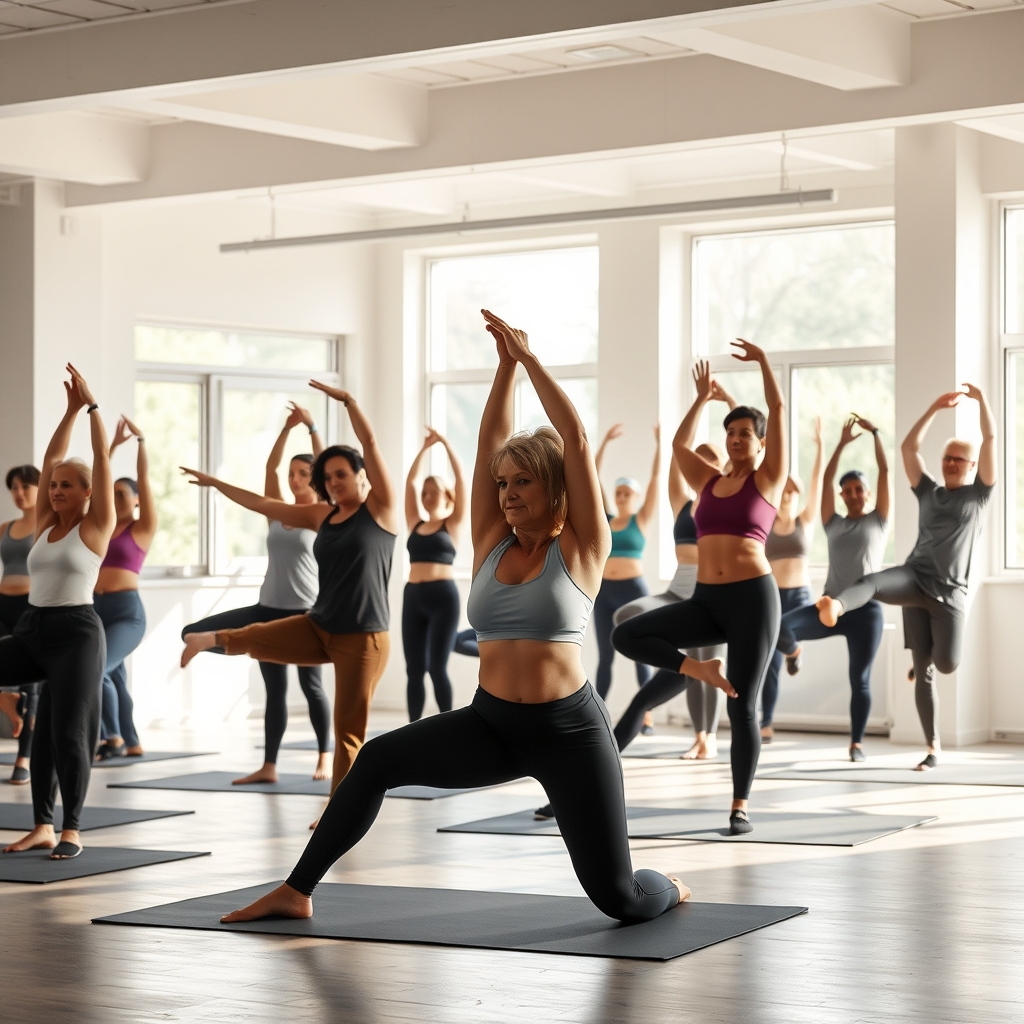
In the world of fitness, strength, endurance, and cardiovascular health often take center stage. Gyms are filled with people lifting weights, running on treadmills, or pushing through high-intensity workouts. Yet, there’s one critical component of fitness that frequently gets overlooked: flexibility. It’s the quiet, unassuming pillar that supports every movement, enhances performance, and safeguards against injury. Without it, even the strongest athletes can find themselves limited, stiff, or sidelined by preventable issues.
The Misunderstood Role of Flexibility
Flexibility is often mistakenly associated solely with activities like yoga or stretching routines performed by those who already consider themselves “flexible.” However, flexibility is not just about touching your toes or achieving a perfect split. It’s about the range of motion in your joints and the ability of your muscles to lengthen and contract efficiently. This adaptability is essential for everyday movements—bending to pick up a child, reaching for an item on a high shelf, or even sitting comfortably at a desk for hours.
When flexibility is neglected, muscles become tight and joints lose their full range of motion. Over time, this can lead to poor posture, chronic pain, and an increased risk of injuries. For athletes, tight muscles can hinder performance by reducing power output and limiting movement efficiency. For the average person, it can turn simple tasks into uncomfortable or even painful experiences.
Flexibility and Injury Prevention: A Direct Connection
One of the most compelling reasons to prioritize flexibility is its role in injury prevention. Tight muscles are more prone to strains and tears because they lack the elasticity needed to absorb sudden movements or impacts. For example, tight hamstrings can lead to lower back pain, while inflexible shoulders can contribute to rotator cuff injuries. By maintaining flexibility, you create a buffer that allows your body to handle stress more effectively.
Research supports this connection. A study published in the Journal of Strength and Conditioning Research found that athletes who incorporated regular flexibility training into their routines experienced fewer injuries than those who didn’t. The reason? Flexible muscles and joints distribute force more evenly, reducing the strain on any single area. This is particularly important for activities that involve repetitive motions, such as running, cycling, or weightlifting.
Dynamic vs. Static Stretching: What’s the Difference?
Not all stretching is created equal. Understanding the difference between dynamic and static stretching can help you incorporate flexibility training more effectively into your fitness regimen.
Dynamic stretching involves active movements that take your muscles and joints through their full range of motion. Examples include leg swings, arm circles, or walking lunges. This type of stretching is ideal before a workout because it increases blood flow, warms up the muscles, and prepares the body for movement. It’s particularly beneficial for athletes or anyone engaging in activities that require explosive power or agility.
Static stretching, on the other hand, involves holding a stretch for a prolonged period—typically 20 to 60 seconds. This type of stretching is best performed after a workout or as a standalone flexibility session. It helps to lengthen muscles, improve joint mobility, and promote relaxation. Think of it as the cooldown your body needs to recover and reset after exertion.
Flexibility for Longevity: More Than Just a Short-Term Gain
While flexibility offers immediate benefits like improved performance and reduced injury risk, its long-term advantages are equally significant. As we age, our muscles naturally lose elasticity, and our joints become stiffer. This process, known as sarcopenia, can lead to a decline in mobility, balance, and overall quality of life. However, regular flexibility training can slow this process, helping you maintain independence and vitality well into your later years.
Consider the example of older adults who practice yoga or tai chi. These disciplines emphasize flexibility, balance, and mindful movement. Studies have shown that participants in these programs experience improved mobility, reduced fall risk, and even enhanced cognitive function. Flexibility isn’t just about physical health—it’s about preserving your ability to move freely and confidently, no matter your age.
Incorporating Flexibility into Your Routine
If flexibility has been missing from your fitness routine, the good news is that it’s never too late to start. Here are some practical ways to integrate it into your daily life:
- Start Small: Dedicate just 5 to 10 minutes a day to stretching. Focus on major muscle groups like hamstrings, quadriceps, hips, and shoulders. Even this small investment can yield noticeable improvements over time.
- Pair It with Existing Habits: Attach stretching to activities you already do. For example, stretch while watching TV, during breaks at work, or immediately after a workout. This makes it easier to remember and stick with.
- Explore Different Modalities: Yoga, Pilates, and mobility drills are excellent ways to improve flexibility. These practices not only enhance range of motion but also promote relaxation and body awareness.
- Listen to Your Body: Flexibility is a personal journey. Avoid comparing yourself to others or pushing into painful stretches. Instead, focus on gradual progress and consistency.
Flexibility is the unsung hero of fitness—a foundational element that supports every other aspect of physical health. It’s not about achieving contortionist-level poses or spending hours in a stretching routine. It’s about giving your body the care and attention it needs to move freely, perform optimally, and age gracefully. Whether you’re an athlete, a weekend warrior, or someone simply looking to feel better in your daily life, flexibility is a tool that can help you unlock your body’s full potential. The best part? It’s accessible to everyone, regardless of age or fitness level. All it takes is a willingness to slow down, pay attention, and make it a priority.
You may also like
-
The Silent Fitness Revolution: How Micro-Workouts Are Redefining Exercise for Busy Lives
-
The Fitness Alchemy: How Nutrition and Exercise Create Lasting Transformation
-
Breathing Your Way to Better Fitness: The Transformative Power of Respiratory Training
-
The Art of Active Recovery: How Low-Impact Workouts Can Supercharge Your Fitness Progress
-
Fitness Over 40: How to Build Strength, Mobility, and Resilience as You Age