
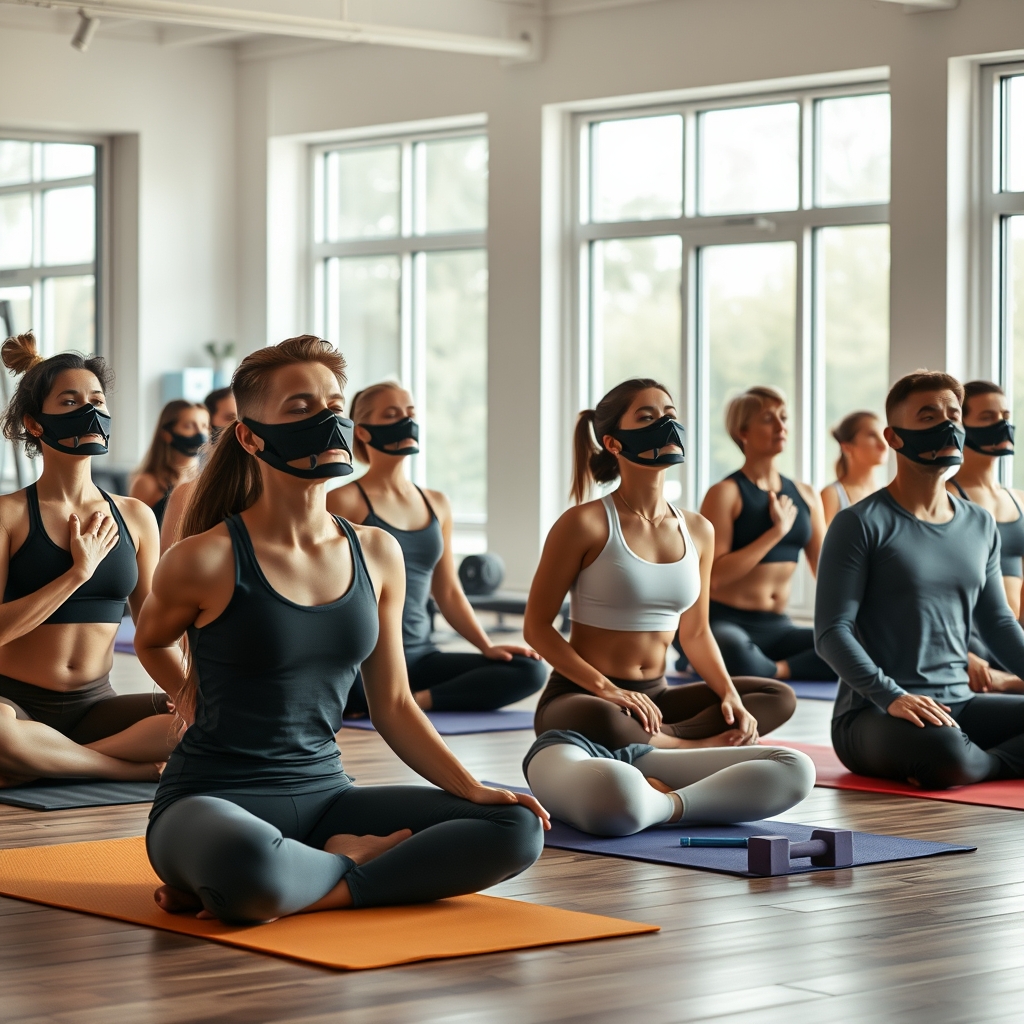
When we think about fitness, our minds often jump to images of lifting weights, running marathons, or perfecting yoga poses. Yet, one of the most fundamental aspects of physical performance—breathing—is frequently overlooked. The way you breathe can significantly impact your endurance, strength, recovery, and even mental clarity during workouts. Respiratory training, an often-underestimated component of fitness, holds the key to unlocking your body’s full potential.
The Science Behind Breathing and Performance
Breathing is an automatic process, but that doesn’t mean it’s always optimized for physical activity. During exercise, your muscles demand more oxygen, and inefficient breathing can lead to early fatigue, reduced stamina, and even dizziness. Studies have shown that proper respiratory techniques can enhance oxygen uptake, improve CO2 tolerance, and delay the onset of exhaustion. For athletes and fitness enthusiasts alike, mastering breath control can be a game-changer.
One of the most well-documented benefits of respiratory training is its impact on VO2 max—the maximum amount of oxygen your body can utilize during intense exercise. By strengthening the diaphragm and intercostal muscles, you can increase lung capacity and efficiency, allowing your body to perform at higher intensities for longer periods. This is particularly beneficial for endurance athletes, but even casual gym-goers can see improvements in their overall stamina.
Diaphragmatic Breathing: The Foundation of Respiratory Strength
Most people breathe shallowly, using only the upper chest, which limits oxygen intake and can lead to tension in the neck and shoulders. Diaphragmatic breathing, or belly breathing, engages the diaphragm—a large, dome-shaped muscle at the base of the lungs—to draw air deeper into the lungs. This technique not only increases oxygen flow but also promotes relaxation and reduces stress, making it ideal for both pre-workout preparation and post-workout recovery.
To practice diaphragmatic breathing, lie on your back with one hand on your chest and the other on your belly. Inhale deeply through your nose, allowing your belly to rise while keeping your chest still. Exhale slowly through pursed lips, feeling your belly fall. Start with 5-10 minutes a day and gradually incorporate it into your warm-ups and cool-downs. Over time, this practice will become second nature, enhancing your workouts and daily life.
Respiratory Training Techniques for Fitness Enthusiasts
Beyond diaphragmatic breathing, several specialized techniques can further boost your respiratory fitness. These methods are designed to improve lung capacity, endurance, and recovery, making them valuable additions to any training regimen.
1. Pursed-Lip Breathing
This technique involves inhaling through the nose and exhaling slowly through pursed lips, as if blowing out a candle. Pursed-lip breathing helps regulate breathing patterns, reduces shortness of breath, and is particularly useful during high-intensity workouts or cardio sessions. It also aids in maintaining a steady rhythm, which can be crucial for activities like running or cycling.
2. Box Breathing
Popularized by Navy SEALs, box breathing is a powerful tool for improving focus and reducing stress. The technique involves inhaling for four seconds, holding the breath for four seconds, exhaling for four seconds, and holding again for four seconds. This method not only enhances respiratory control but also calms the nervous system, making it an excellent choice for pre-competition or high-pressure workout scenarios.
3. Resisted Breathing
Resisted breathing involves using devices like respiratory training masks or even simple household items (like a straw) to create resistance during inhalation and exhalation. This strengthens the respiratory muscles, much like weight training strengthens the arms or legs. Over time, resisted breathing can lead to greater lung capacity and improved endurance, particularly in sports that require sustained effort, such as swimming or long-distance running.
Integrating Respiratory Training into Your Fitness Routine
Incorporating respiratory training into your fitness routine doesn’t require a complete overhaul of your workouts. Instead, it can be seamlessly integrated into your existing regimen with a few simple adjustments. Start by dedicating 5-10 minutes before or after your workouts to diaphragmatic breathing or box breathing. As you become more comfortable, experiment with pursed-lip breathing during cardio sessions or resisted breathing exercises a few times a week.
For those who enjoy yoga or Pilates, respiratory training aligns naturally with these practices, as both emphasize breath control and mind-body connection. Even strength training can benefit from focused breathing techniques—proper breath timing (exhaling during exertion, inhaling during relaxation) can enhance performance and reduce the risk of injury.
Listening to Your Body
While respiratory training offers numerous benefits, it’s essential to listen to your body and avoid overdoing it. If you experience dizziness, lightheadedness, or discomfort, take a step back and reassess your technique. Start slowly, gradually increasing the intensity and duration of your respiratory exercises. Remember, the goal is to enhance your fitness, not to push yourself to the point of strain.
As you refine your breathing techniques, you’ll likely notice improvements not just in your workouts but in your overall well-being. Better oxygenation can lead to increased energy levels, reduced stress, and even improved sleep quality. The beauty of respiratory training lies in its simplicity—it’s a tool that’s always with you, ready to be harnessed for greater strength, endurance, and vitality. Whether you’re a seasoned athlete or just beginning your fitness journey, mastering your breath could be the missing link to achieving your goals and unlocking a new level of performance.
You may also like
-
The Forgotten Pillar of Fitness: Why Flexibility Deserves Your Attention
-
The Silent Fitness Revolution: How Micro-Workouts Are Redefining Exercise for Busy Lives
-
The Fitness Alchemy: How Nutrition and Exercise Create Lasting Transformation
-
The Art of Active Recovery: How Low-Impact Workouts Can Supercharge Your Fitness Progress
-
Fitness Over 40: How to Build Strength, Mobility, and Resilience as You Age