
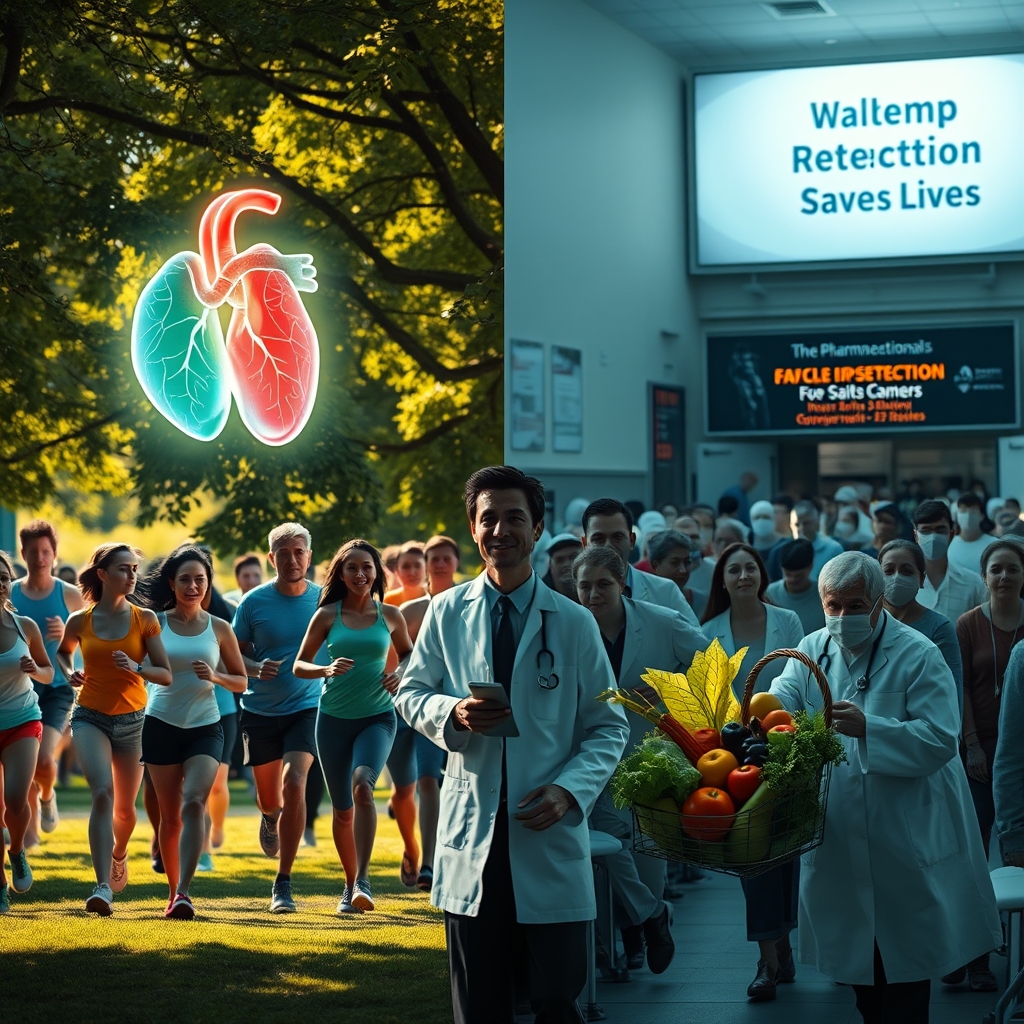
The modern health paradigm is built on a fundamental contradiction: while prevention is universally lauded as the cornerstone of public health, the systems designed to protect us remain stubbornly reactive. Hospitals, insurance models, and even medical education are structured around treating illness, not preventing it. This isn’t an oversight—it’s a feature of a system that profits from sickness, not from keeping people well. The result is a prevention illusion, where the rhetoric of wellness masks a reality of delayed intervention and missed opportunities.
The Myth of Early Detection
Early detection is often presented as the gold standard of preventive health, but this framing is deceptive. Screenings for cancer, diabetes, and cardiovascular diseases are not prevention—they are early-stage treatment. True prevention would mean addressing the root causes of these conditions: poor diet, sedentary lifestyles, environmental toxins, and chronic stress. Yet, the medical-industrial complex invests far more in developing new diagnostic tools than in dismantling the social and economic structures that make people sick in the first place.
Consider the case of mammograms. For decades, women have been told that regular screenings save lives, and while early detection does improve outcomes for some, it does nothing to reduce the incidence of breast cancer. The focus on screening diverts attention from the preventable factors—like endocrine-disrupting chemicals in plastics, hormonal birth control, and alcohol consumption—that contribute to rising breast cancer rates. Early detection is a bandage, not a cure.
The Commercialization of Wellness
The wellness industry has capitalized on the prevention illusion, selling everything from boutique fitness memberships to personalized vitamin regimens as solutions to systemic health failures. The message is clear: if you’re sick, it’s your fault for not optimizing your health enough. This individualization of responsibility ignores the fact that wellness is a privilege, not a choice. Access to fresh food, safe neighborhoods, and affordable healthcare is unevenly distributed, yet the wellness narrative places the burden squarely on the individual.
Corporations have co-opted the language of prevention to sell products that often do more harm than good. The supplement industry, for example, thrives on the anxiety of those seeking to prevent illness, despite little evidence that most supplements provide meaningful protection. Meanwhile, the food industry markets ultra-processed products as “healthy” through deceptive labeling, exploiting the public’s desire to make better choices. Prevention, in this context, becomes another commodity to be monetized.
The Policy Gap
Government policies reflect the same reactive mindset. Public health campaigns often focus on behavior change—eat better, exercise more, quit smoking—without addressing the environments that make these changes difficult. Zoning laws that favor fast-food chains over grocery stores, urban planning that prioritizes cars over walkability, and agricultural subsidies that make junk food cheaper than fresh produce all undermine prevention efforts. The system is rigged against wellness, yet the narrative persists that individuals are solely responsible for their health.
Even when policies do attempt to address prevention, they are often watered down by corporate lobbying. Sugar taxes, for instance, have been implemented in some countries to combat obesity and diabetes, but the beverage industry has fought tooth and nail to weaken or repeal these measures. The result is a half-hearted approach that does little to shift the needle on public health. Prevention, it seems, is only palatable when it doesn’t threaten profits.
The Medical Training Problem
The bias toward treatment over prevention is ingrained in medical education. Medical students spend years learning to diagnose and treat diseases but receive minimal training in nutrition, behavioral science, or public health. This knowledge gap perpetuates the cycle of reactivity. When a patient presents with high blood pressure, the default response is to prescribe medication rather than investigate the dietary, environmental, or psychological factors that may have contributed to the condition.
This treatment-first mindset is reinforced by the financial incentives of the healthcare system. Fee-for-service models reward doctors for performing procedures and writing prescriptions, not for counseling patients on lifestyle changes. Prevention, in this context, is a losing proposition—both for the provider and the system at large. Until medical training and reimbursement models prioritize wellness, the prevention illusion will persist.
The Role of Big Pharma
The pharmaceutical industry plays a central role in perpetuating the prevention illusion. While drugs can be lifesaving, they are often positioned as the primary solution to health problems that could be prevented through systemic change. Statins, for example, are widely prescribed to lower cholesterol, but their use does nothing to address the dietary and lifestyle factors that lead to high cholesterol in the first place. The focus on medication as prevention shifts responsibility away from the food industry, which profits from selling hyper-palatable, nutrient-poor products.
Moreover, the pharmaceutical industry has a vested interest in maintaining the status quo. Preventive measures that reduce the need for medication—such as improved nutrition or stress reduction—threaten their bottom line. This conflict of interest is rarely acknowledged in public health discourse, yet it shapes the entire landscape of prevention. The result is a system that treats symptoms rather than causes, ensuring a steady stream of patients and profits.
The prevention illusion is not just a failure of policy or industry—it’s a cultural failure. We have been conditioned to believe that health is a personal responsibility, rather than a collective one. This mindset absolves governments, corporations, and healthcare systems of their role in creating the conditions that make people sick. Until we confront this illusion, the promise of prevention will remain just that: a promise, unfulfilled and out of reach for those who need it most. The choice is clear: we can continue to tinker at the edges of a broken system, or we can demand a paradigm shift that prioritizes wellness over treatment, equity over profit, and prevention over illusion.
You may also like
-
The Unseen Crisis: How Health Prevention is Undermined by the Myth of Personal Control
-
The Prevention Paradox: How Behavioral Science Reveals Why We Sabotage Our Own Health
-
The Preventive Health Blind Spot: How Short-Term Thinking Sabotages Long-Term Wellbeing
-
The Preventive Health Delusion: How Individual Responsibility Becomes a Systemic Excuse
-
The Preventive Health Mirage: How Policy Gaps Turn Good Intentions into Failed Outcomes