
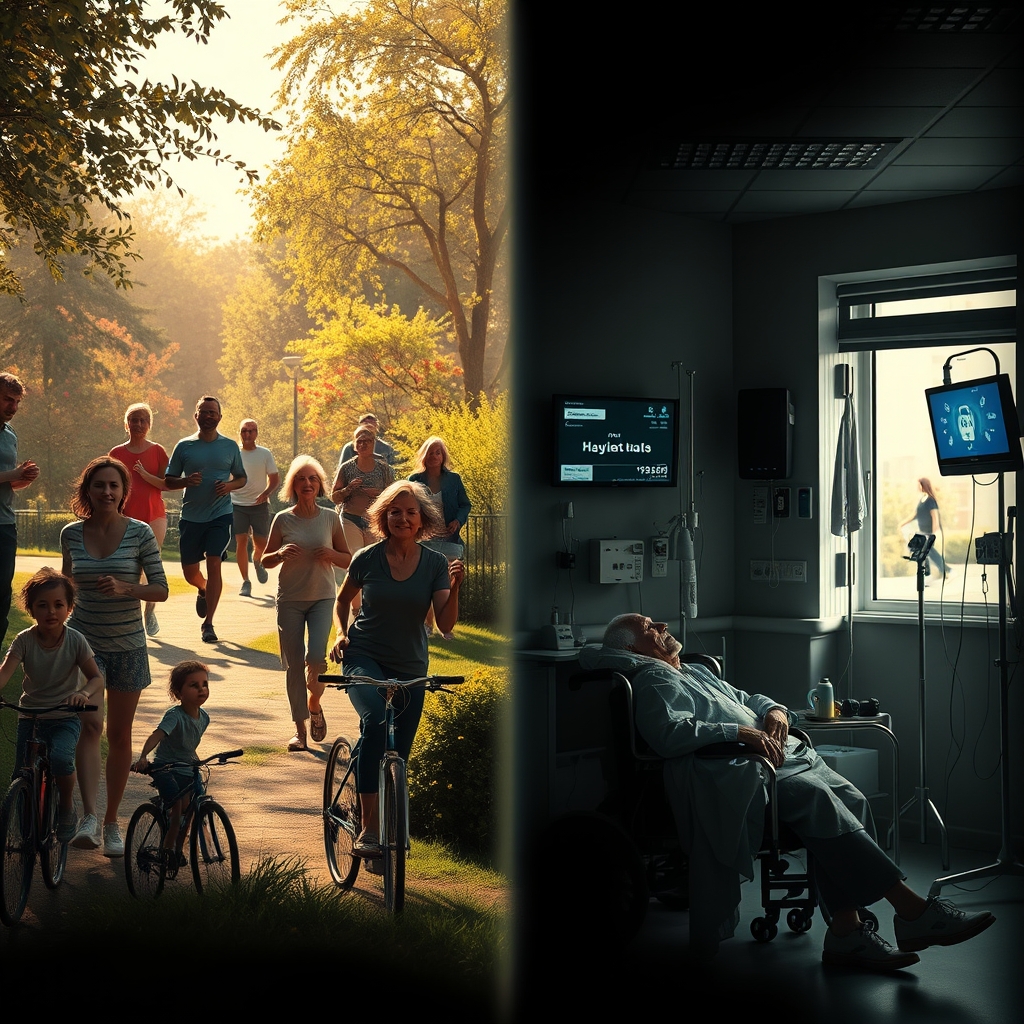
The modern world is obsessed with cures. From miracle drugs to cutting-edge surgeries, we pour billions into treating diseases after they strike. Yet, we invest a fraction of that energy into preventing them in the first place. This isn’t just a medical oversight—it’s a cultural failure, one rooted in human psychology, economic incentives, and a dangerous illusion of invincibility.
The Myth of the Unbreakable Body
Humans are wired to believe in their own resilience. Youth, in particular, breeds a sense of immortality—a cognitive bias that whispers, “It won’t happen to me.” This isn’t mere optimism; it’s a survival mechanism, a way to navigate a world filled with risks without succumbing to paralyzing fear. But when it comes to health, this bias becomes a liability.
Consider the rise of preventable chronic diseases: type 2 diabetes, heart disease, and certain cancers. These conditions don’t emerge overnight. They are the result of years—sometimes decades—of neglect: poor diet, sedentary lifestyles, unmanaged stress. Yet, despite overwhelming evidence linking these behaviors to disease, global adherence to preventive measures remains dismally low. Why?
The Convenience Paradox
Prevention is inconvenient. It demands consistency, discipline, and long-term thinking—qualities that clash with a culture built on instant gratification. Fast food is cheaper and faster than cooking. Binge-watching is easier than exercising. Stress relief is sought in scrolling, not meditation. The market feeds these impulses because they are profitable. The healthcare industry, too, benefits from late-stage interventions, where treatments are more lucrative than advice to eat vegetables or walk daily.
This creates a paradox: the systems designed to keep us healthy are often the same ones that profit from our sickness. Pharmaceutical companies advertise medications for conditions that could have been avoided with lifestyle changes. Hospitals expand their emergency departments while community health programs struggle for funding. The message is clear: prevention is an afterthought.
The Data Delusion
We live in an era of unprecedented access to health data. Wearables track our steps, heart rate, and sleep patterns. Apps remind us to hydrate, meditate, and stand up. Yet, data alone is not enough. Knowledge without action is noise.
Studies show that even when people are aware of their risks—high cholesterol, prediabetes, obesity—they often fail to act. The gap between awareness and behavior change is vast, and it’s not just about willpower. It’s about environment. A person can know that smoking causes lung cancer, but if their social circle smokes, if cigarettes are cheap and accessible, and if stress makes quitting feel impossible, the data becomes irrelevant.
The Role of Policy: A System Designed to Fail
Prevention isn’t just an individual responsibility—it’s a societal one. Yet, public health policies often prioritize treatment over prevention. In the U.S., for example, Medicare spends less than 3% of its budget on preventive services, despite evidence that every dollar invested in prevention saves $5.60 in future healthcare costs. The reasons are political: prevention doesn’t yield immediate, visible results. Politicians favor policies with quick wins, like building a new hospital wing, over long-term investments like school nutrition programs or urban green spaces.
Even when policies do exist, they are often weak or poorly enforced. Sugar taxes, for instance, have been shown to reduce consumption of sugary drinks, yet they face fierce opposition from the beverage industry. Workplace wellness programs, touted as a solution, often amount to little more than token gestures—gym discounts or fruit baskets in the break room—while ignoring the root causes of poor health: long hours, job insecurity, and lack of access to affordable healthcare.
The Psychology of Prevention
Prevention requires confronting mortality, and humans are notoriously bad at that. We avoid thinking about aging, illness, and death until we’re forced to. This denial is reinforced by a medical system that treats the body like a machine—fixable when broken, rather than maintainable over time.
But prevention isn’t just about avoiding death; it’s about preserving quality of life. A 60-year-old with arthritis, hypertension, and diabetes isn’t just sick—they’re robbed of vitality. Their world shrinks: travel becomes difficult, hobbies are abandoned, independence is lost. This is the true cost of neglect, and it’s a cost that society bears collectively, through lost productivity, higher insurance premiums, and strained social services.
The Way Forward: A Cultural Shift
Changing this narrative requires more than education. It demands a cultural shift—one that values long-term well-being over short-term convenience. Schools could teach nutrition and mental health as core subjects, not electives. Workplaces could prioritize employee well-being over productivity metrics. Cities could be designed for walkability, not car dependency. And healthcare systems could reward doctors for keeping patients healthy, not just treating them when they’re sick.
This isn’t utopian idealism. Countries like Japan and Sweden have already demonstrated that prevention works. Japan’s emphasis on community health and early intervention has given it one of the highest life expectancies in the world. Sweden’s investment in public health infrastructure—from bike lanes to universal healthcare—has reduced chronic disease rates while lowering overall healthcare costs. These aren’t coincidences; they’re the result of deliberate choices to prioritize prevention.
The illusion of invincibility is a luxury no one can afford. Health isn’t a given—it’s a practice, a daily commitment to the choices that sustain it. The alternative is a future where we spend our final decades in a cycle of doctor’s appointments, medications, and regret. The question isn’t whether we can afford to prioritize prevention. It’s whether we can afford not to.
You may also like
-
The Unseen Crisis: How Health Prevention is Undermined by the Myth of Personal Control
-
The Prevention Paradox: How Behavioral Science Reveals Why We Sabotage Our Own Health
-
The Preventive Health Blind Spot: How Short-Term Thinking Sabotages Long-Term Wellbeing
-
The Prevention Illusion: How Health Systems Prioritize Treatment Over True Wellness
-
The Preventive Health Delusion: How Individual Responsibility Becomes a Systemic Excuse