
Imagine standing at the edge of a vast, shimmering lake at dawn, the air crisp and still. The first rays of sunlight dance on the water’s surface, and the world around you hums with a quiet, almost imperceptible energy. Now, close your eyes and listen—not just to the rustling leaves or the distant call of a bird, but to the deeper vibration that pulses through everything. This is the essence of sound healing, an ancient practice that is making a profound comeback in our modern quest for wellness. It’s not just about hearing; it’s about feeling, about letting the frequencies of the universe resonate within you, realigning your body, mind, and soul.
The Science Behind the Symphony
Sound healing isn’t some mystical concept reserved for monks in remote monasteries or new-age retreats. It’s grounded in science, in the very fabric of how our bodies and the world around us function. At its core, sound healing operates on the principle of resonance—the idea that every object, including our cells, has a natural frequency at which it vibrates. When these frequencies fall out of harmony, whether due to stress, illness, or environmental factors, our well-being suffers. Sound healing seeks to restore that harmony by introducing specific frequencies that can recalibrate our internal rhythms.
Research in the field of cymatics—the study of visible sound and vibration—has shown that sound waves can create intricate geometric patterns in matter. When applied to the human body, these vibrations can stimulate cellular repair, reduce inflammation, and even alter brainwave states. For instance, the Solfeggio frequencies, a set of ancient musical tones, are believed to promote healing by aligning the body’s energy centers, or chakras. The 528 Hz frequency, often called the “Love Frequency,” is said to repair DNA and bring about deep emotional release. It’s not magic; it’s physics, biology, and a touch of the divine all rolled into one.
The Instruments of Transformation
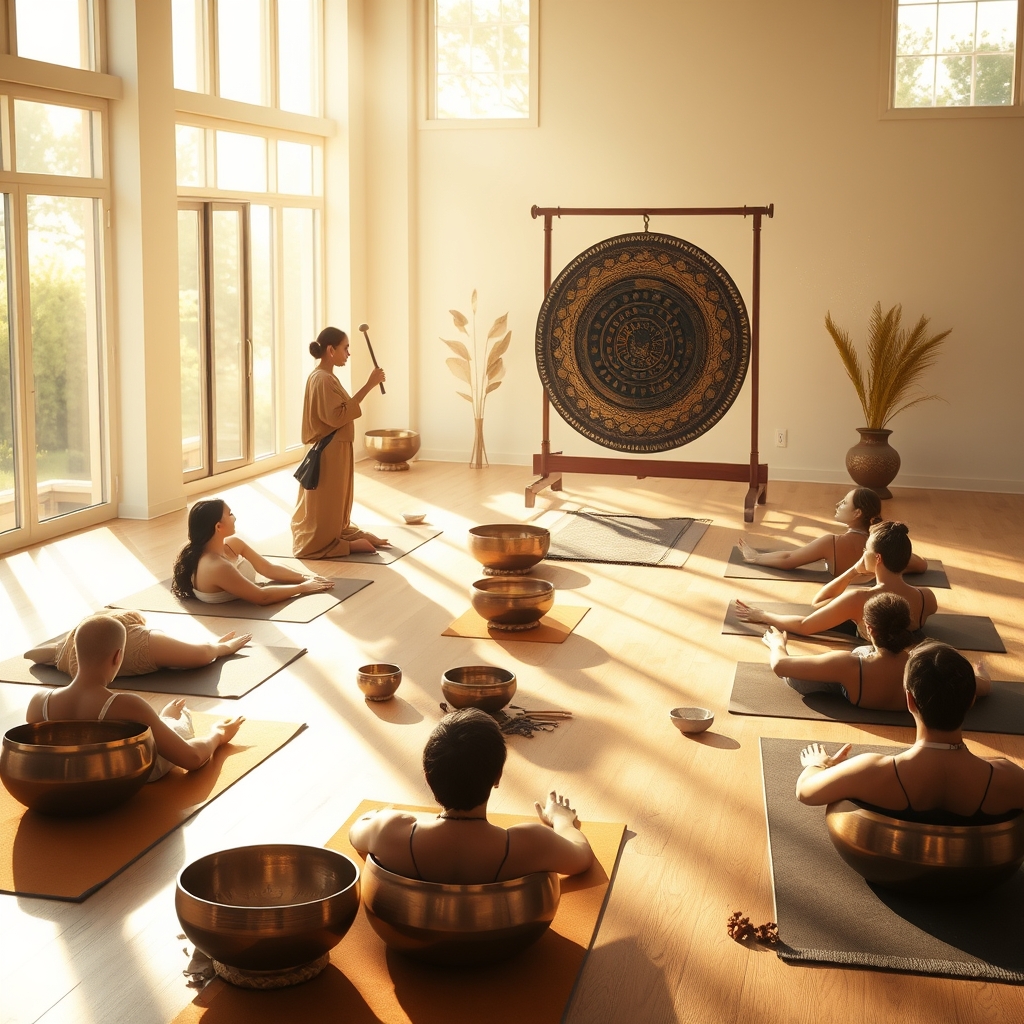
Sound healing employs a variety of tools, each with its own unique vibrational signature. Tibetan singing bowls, for example, produce rich, harmonic overtones that can induce a state of deep relaxation, slowing the heart rate and quieting the mind. These bowls, often made of a blend of metals, are played by striking or circling the rim with a mallet, creating a sound that feels like it’s washing over you, carrying away tension with each wave.
Then there are tuning forks, precision-crafted instruments that emit pure, consistent frequencies. When placed on specific points of the body, they can help release blockages in the energy meridians, much like acupuncture but without the needles. The 432 Hz tuning fork, in particular, is revered for its ability to synchronize the left and right hemispheres of the brain, fostering a sense of balance and clarity.
And let’s not forget the power of the human voice. Chanting and mantras have been used for centuries in cultures around the world to invoke healing. The repetitive nature of chanting creates a meditative state, while the vibrations of the voice resonate through the body, clearing stagnant energy and inviting renewal. Whether it’s the sacred “Om” of Hindu tradition or the Gregorian chants of medieval Europe, the voice is perhaps the most accessible and profound tool in the sound healer’s arsenal.
The Modern Revival: Sound Baths and Beyond
In recent years, sound healing has stepped out of the shadows and into the mainstream, thanks in part to the rise of sound baths. These immersive experiences involve lying down in a comfortable space while a practitioner plays a variety of instruments, such as gongs, crystal bowls, and chimes, creating a symphony of sound that washes over the participants. The effect is often described as a deep, meditative trance, where the boundaries between self and sound dissolve, leaving a profound sense of peace and rejuvenation.
But sound healing isn’t just confined to group sessions. It’s finding its way into hospitals, therapy offices, and even corporate wellness programs. Binaural beats, for example, are a form of sound therapy that uses two slightly different frequencies played in each ear to create a third, perceived tone. This technique has been shown to reduce anxiety, improve focus, and enhance sleep quality. Apps and online platforms now offer guided sound meditations, making it easier than ever to incorporate these practices into daily life.
Listening to Your Body’s Frequency
Perhaps the most beautiful aspect of sound healing is its accessibility. You don’t need to be a musician or a spiritual guru to benefit from it. All you need is an openness to listen—not just with your ears, but with your entire being. Start by paying attention to the sounds around you: the hum of the refrigerator, the patter of rain, the laughter of a loved one. These everyday noises carry their own frequencies, and simply tuning into them can be a form of healing.
If you’re feeling adventurous, explore the world of sound healing tools. A Tibetan singing bowl or a tuning fork can be a wonderful addition to your self-care routine. Play around with chanting or humming, noticing how the vibrations feel in your chest and throat. Even listening to music tuned to 432 Hz or 528 Hz can shift your mood and energy. The key is to approach it with curiosity and a sense of play, allowing the sounds to guide you toward a deeper connection with yourself.
In a world that often feels chaotic and overwhelming, sound healing offers a sanctuary of harmony. It reminds us that we are not separate from the world around us but deeply interconnected, each of us a unique note in the grand symphony of existence. By tuning into the frequencies that resonate with our truest selves, we can find balance, healing, and a sense of belonging that transcends the noise of everyday life. The next time you find yourself in need of renewal, close your eyes, take a deep breath, and listen—because the sound of healing is already within you, waiting to be heard.
You may also like
-
The Whispering Winds of Wellness: How Fresh Air is the Unsung Architect of Your Health Sanctuary
-
The Luminous Link: How Light Exposure Beyond Sunrise is Painting a New Portrait of Health
-
The Symphony of Sleep: How Restorative Rest Conducts Your Health Masterpiece
-
The Golden Hour: How Morning Sunlight is the Ultimate Prescription for Vibrant Health
-
The Breath of Life: How Oxygen and Mindful Respiration Are Redefining Modern Wellness