
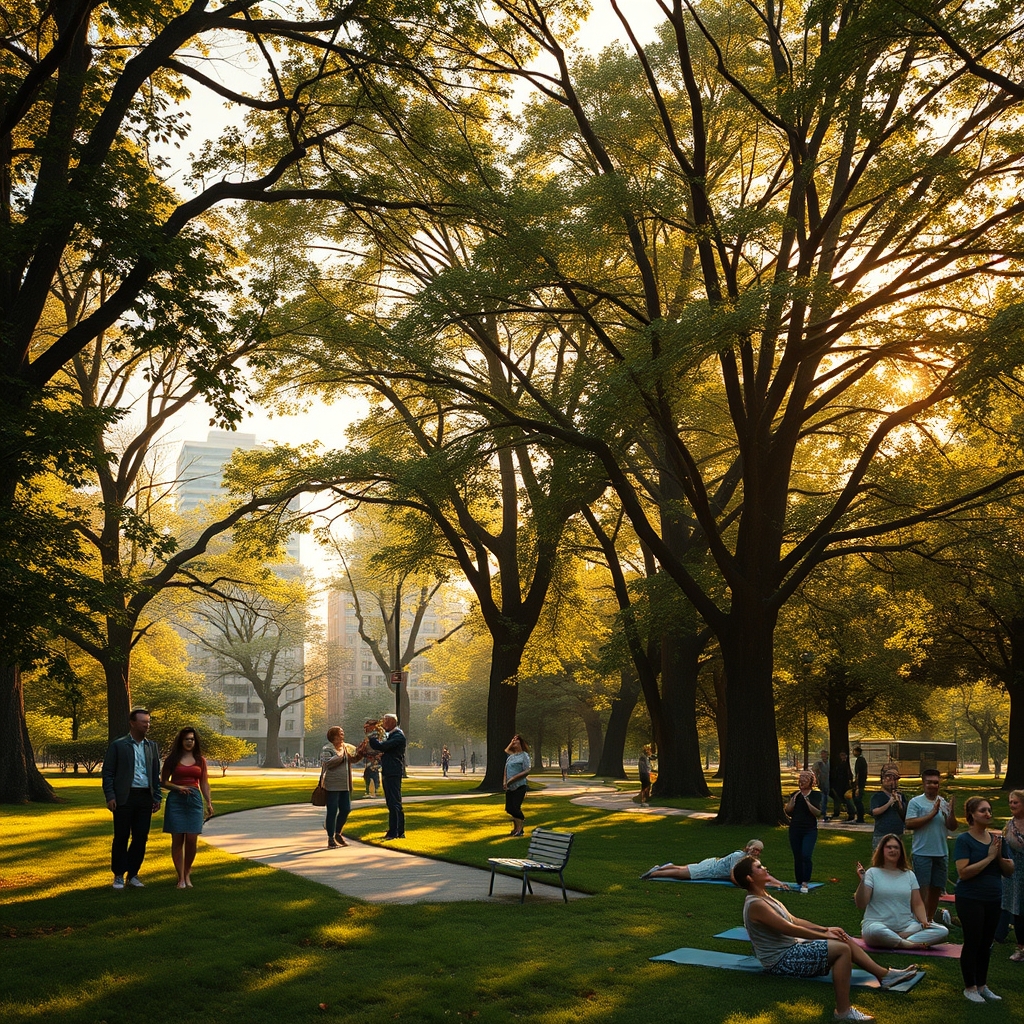
Imagine stepping out of the concrete jungle into a lush, verdant oasis where the air hums with the quiet rustle of leaves and the distant chatter of birds. The scent of damp earth and fresh foliage fills your lungs, and almost instantly, your shoulders drop, your breath deepens, and the relentless buzz of urban life begins to fade. This isn’t just a fleeting escape—it’s a vital, science-backed intervention for our collective well-being. Welcome to the era of the green prescription, where urban forests are emerging as the unsung heroes of public health, rewriting the narrative of how we heal, thrive, and connect in an increasingly disconnected world.
The Science of Serenity: How Trees Talk to Our Bodies
For decades, we’ve known that spending time in nature feels good, but only recently has science begun to unravel the profound ways in which green spaces actively heal us. Studies have shown that walking through a forest—even an urban one—can lower cortisol levels, reduce blood pressure, and boost immune function. The secret lies in phytoncides, natural compounds released by trees that have been proven to enhance our body’s natural killer (NK) cells, the frontline defenders against infections and even cancer. It’s as if the trees are whispering to our cells, reminding them how to fight, how to flourish.
But the benefits don’t stop at the physical. Urban forests act as natural antidepressants, with research from the University of East Anglia revealing that exposure to green spaces significantly reduces the risk of depression, anxiety, and even ADHD in children. The Japanese practice of Shinrin-yoku, or forest bathing, has gained global traction as a form of ecotherapy, where the simple act of immersing oneself in a forest environment can recalibrate the nervous system, shifting it from the frantic fight-or-flight mode to the restorative rest-and-digest state. In a world where mental health crises are reaching epidemic proportions, these towering green guardians offer a silent, yet powerful, antidote.
From Concrete Deserts to Urban Canopies: The Movement Gaining Roots
Cities around the world are waking up to the transformative potential of urban forests. In Singapore, the City in a Garden initiative has turned skyscrapers into vertical forests, with lush greenery cascading down buildings and rooftop gardens blooming atop high-rises. The result? A 12% reduction in urban heat island effect and a population that reports higher levels of happiness and life satisfaction. Meanwhile, in Milan, the Bosco Verticale (Vertical Forest) project has created a living, breathing ecosystem in the heart of the city, where trees and shrubs absorb CO2, produce oxygen, and provide a habitat for birds and insects—all while offering residents a daily dose of nature.
But you don’t need to live in a metropolis with a multi-million-dollar green infrastructure to reap the benefits. Community-led initiatives are sprouting up in unexpected places. In Detroit, the Greening of Detroit program has planted over 130,000 trees since 1989, transforming vacant lots into vibrant green spaces that reduce crime, improve air quality, and foster a sense of community. Similarly, in London, the National Park City movement aims to make the city greener, healthier, and wilder, with residents taking ownership of their local parks and woodlands. These projects prove that urban forests aren’t just for the elite—they’re a democratic, accessible resource for all.
The Ripple Effect: How Green Spaces Heal Communities
The magic of urban forests extends far beyond individual well-being. They act as social equalizers, bringing people from diverse backgrounds together in shared spaces that foster connection and belonging. A study published in the Journal of Environmental Psychology found that people who spend time in green spaces are more likely to engage in prosocial behaviors—helping others, volunteering, and building stronger community ties. In a world where loneliness is often called the new smoking, these green havens offer a remedy, a place where strangers become neighbors and neighbors become friends.
Urban forests also play a critical role in mitigating the effects of climate change, which in turn protects public health. Trees absorb pollutants like nitrogen dioxide and sulfur dioxide, reducing respiratory illnesses and asthma rates. They cool cities, combating the deadly heatwaves that claim thousands of lives each year. And they manage stormwater, preventing flooding and the spread of waterborne diseases. In essence, urban forests are a triple win: they heal our bodies, minds, and the planet we call home.
The Future is Green: How to Cultivate Your Own Urban Forest
You don’t need to wait for city planners to transform your neighborhood into a green utopia. The power to cultivate your own urban forest lies in your hands. Start small: plant a tree in your backyard, join a local community garden, or advocate for green spaces in your area. Support organizations like the Arbor Day Foundation or TreePeople, which work to plant and protect trees in urban areas. Even something as simple as spending 20 minutes a day in a nearby park can make a world of difference to your health.
For those who crave a deeper connection, consider becoming a citizen scientist. Apps like iNaturalist allow you to document the biodiversity in your local green spaces, contributing to global research on urban ecosystems. Or, if you’re feeling adventurous, why not try forest bathing? Leave your phone behind, slow down, and let the forest guide you. Listen to the wind in the leaves, feel the texture of bark beneath your fingertips, and breathe in the earthy scent of the soil. You might just find that the answers you’ve been searching for were growing all around you.
As we stand at the crossroads of a public health crisis and an environmental emergency, urban forests offer a beacon of hope. They remind us that healing doesn’t always come in the form of a pill or a procedure—sometimes, it’s as simple as stepping into the shade of a tree, feeling the sun filter through the leaves, and remembering what it means to be alive. The green prescription isn’t just a trend; it’s a revolution, one that invites us to reimagine our cities, our health, and our place in the natural world. And the best part? The forest is waiting, ready to welcome us home.
You may also like
-
The Whispering Winds of Wellness: How Fresh Air is the Unsung Architect of Your Health Sanctuary
-
The Luminous Link: How Light Exposure Beyond Sunrise is Painting a New Portrait of Health
-
The Symphony of Sleep: How Restorative Rest Conducts Your Health Masterpiece
-
The Golden Hour: How Morning Sunlight is the Ultimate Prescription for Vibrant Health
-
The Breath of Life: How Oxygen and Mindful Respiration Are Redefining Modern Wellness