
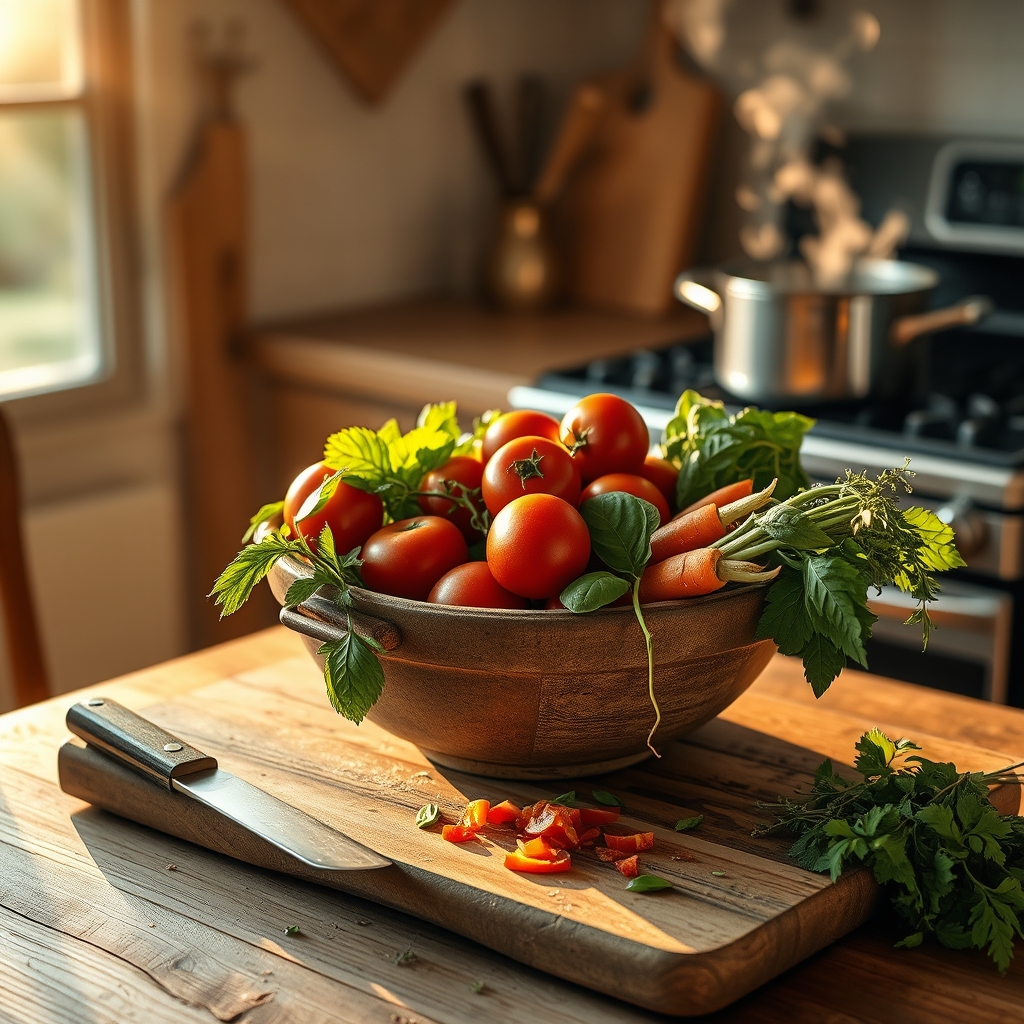
The act of eating is often reduced to a mere transaction—fuel in, energy out. But what if we paused to consider it as something far more profound? A dance, perhaps, where each step is a choice, each movement a note in the melody of our existence. The foods we select do not merely fill our stomachs; they weave themselves into the fabric of our days, shaping not just our bodies, but the very essence of how we experience the world.
The Whisper of Ingredients
There is a quiet conversation that happens between the earth and our plates, one that begins long before the food reaches our lips. The tomato ripening on the vine, the grain swaying in the field, the herbs unfurling their leaves under the sun—each carries within it a story of soil, of rain, of the hands that tended to it. When we eat, we are not just consuming calories; we are ingesting these stories, these whispers of the land. The question then becomes: are we listening?
Nutrition is often framed in terms of macros and micros, of vitamins and minerals, of what the body needs to function. But what of the soul? What of the part of us that craves connection, that seeks meaning in the mundane? The foods we choose can either dull that connection or deepen it. A meal prepared with intention, with gratitude for the hands that grew it and the earth that nurtured it, becomes more than sustenance. It becomes a ritual, a moment of reverence in a world that often moves too fast.
The Alchemy of Preparation
There is magic in the act of preparing food. The chopping of vegetables, the stirring of a simmering pot, the way the scent of garlic and onions fills the air—these are not just steps in a recipe. They are incantations, spells that transform raw ingredients into something greater than the sum of their parts. When we cook, we are not just feeding our bodies; we are engaging in an act of creation, one that requires presence, patience, and a willingness to be fully in the moment.
In a culture that often prioritizes convenience over connection, it can be easy to forget the value of this alchemy. We reach for pre-packaged meals, for takeout containers, for anything that will save us time. But in doing so, we sacrifice something precious: the opportunity to slow down, to savor the process, to infuse our food with our own energy and intention. The meals we prepare with our own hands carry a piece of us within them, a quiet reminder that nourishment is not just about what we eat, but how we engage with it.
The Rhythm of Routine
Our daily habits form the rhythm of our lives, and nowhere is this more evident than in our relationship with food. The way we start our mornings, the rituals we create around meals, the choices we make when no one is watching—these are the threads that weave together the tapestry of our days. A mindful approach to nutrition is not about restriction or rigidity; it is about tuning into the natural rhythm of our bodies, about listening to the cues that tell us when we are hungry, when we are full, when we need something more than just calories.
There is a certain poetry in this rhythm, a cadence that shifts with the seasons, with our moods, with the ebb and flow of our lives. In the winter, we crave warm, hearty foods that ground us, that remind us of the earth’s quiet slumber beneath the frost. In the summer, we reach for light, vibrant meals that mirror the energy of the sun. Our bodies know what they need, if only we take the time to listen. The challenge is to quiet the noise of external expectations, of diet culture, of the endless stream of advice about what we *should* be eating, and instead trust the wisdom that resides within us.
The Unseen Threads of Connection
Food is never just about the individual. It is a thread that connects us to one another, to our communities, to the generations that came before us. The recipes we inherit from our grandparents, the meals we share with friends, the traditions that bind us together—these are the unseen threads that weave through our lives, creating a sense of belonging, of continuity, of shared humanity.
When we sit down to eat, we are not just nourishing ourselves; we are participating in something larger than ourselves. We are honoring the hands that prepared the food, the farmers who grew it, the earth that sustained it. We are acknowledging the interconnectedness of all things, the way our choices ripple outward, touching lives we may never meet. In this way, every meal becomes an opportunity to cultivate gratitude, to deepen our connection to the world around us, to recognize that we are not separate from the web of life, but a part of it.
The Art of Savoring
In a world that moves at breakneck speed, the act of savoring can feel like a radical act. To pause, to truly taste, to allow ourselves to be fully present with our food—this is not just a practice in mindfulness, but a rebellion against the culture of haste. When we savor, we are not just eating; we are engaging in an act of resistance, a declaration that our time, our attention, our experiences matter.
Savoring is not about indulgence; it is about awareness. It is about noticing the way the flavors unfold on our tongues, the way the textures play against one another, the way the meal makes us feel—not just in our bodies, but in our hearts. It is about recognizing that food is not just fuel, but a source of joy, of comfort, of connection. When we savor, we are not just feeding our bodies; we are feeding our souls.
The choices we make about what we eat are not just about nutrition; they are about how we choose to live. Each meal is an opportunity to pause, to reflect, to connect—to ourselves, to one another, to the world around us. The foods we select, the way we prepare them, the intention we bring to the table—these are not just details of daily life, but the brushstrokes that paint the canvas of our days. And when we approach them with mindfulness, with gratitude, with a sense of reverence, we create something beautiful: a life that is not just lived, but savored.
You may also like
-
The Whispering Palette: How the Colors on Our Plates Paint the Canvas of Our Well-Being
-
The Hidden Dialogue: How Our Plates Speak in the Language of Longing and Fulfillment
-
The Breath Between Bites: How Nourishment Becomes a Sacred Pause in the Rush of Living
-
The Echoes of Nourishment: How the Food We Choose Resonates Through Time
-
The Alchemy of Attention: How the Hands That Feed Us Shape the Soul We Become