
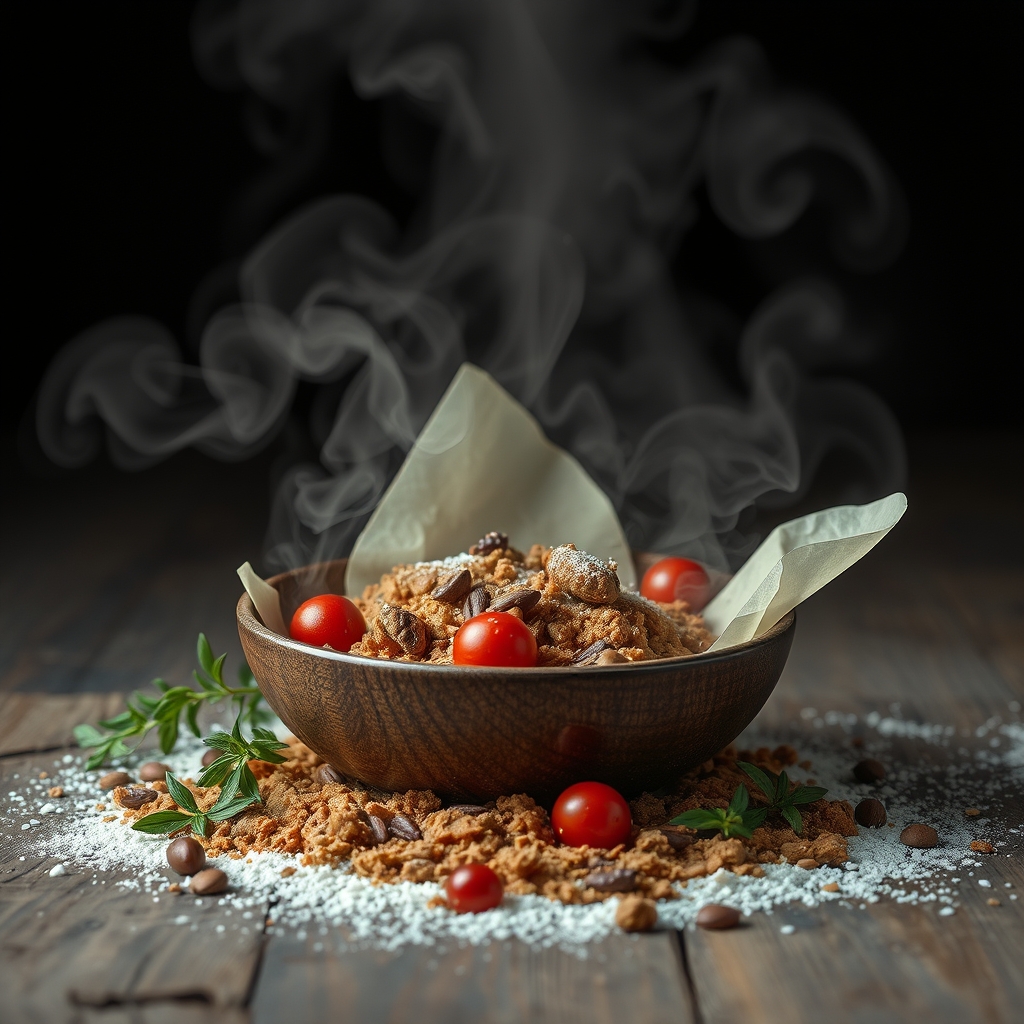
The first time I truly tasted an apple, it was not just a fruit—it was a revelation. The crisp bite, the burst of sweetness followed by a whisper of tartness, the way the juice lingered on my tongue like a secret. It was a moment suspended in time, a fleeting connection to the earth, the sun, the hands that had nurtured it into being. In that instant, I understood that nourishment is not merely about filling the body; it is about feeding the soul, about choosing what we allow to become part of us, both physically and spiritually.
The Alchemy of Choice
Every day, we stand at the crossroads of countless choices, each one a small act of creation. Do we reach for the vibrant, sun-ripened tomato still warm from the vine, or the pale, plastic-wrapped imitation that has traveled thousands of miles to sit under fluorescent lights? Do we savor the slow-cooked meal prepared with intention, or the hurried bite snatched between tasks, barely tasted? These choices are not just about nutrition; they are about the stories we tell ourselves, the values we embody, and the legacy we leave behind.
Nutrition, in its truest sense, is an act of reverence. It is a dialogue between our bodies and the world around us, a way of honoring the intricate web of life that sustains us. When we choose whole, unprocessed foods, we are not just selecting ingredients; we are acknowledging the labor of farmers, the wisdom of the earth, and the sacredness of sustenance. We are saying, with every bite, that we are worth the time, the care, the love that goes into growing and preparing what we eat.
The Whispers of the Past
There is a quiet magic in the foods that have nourished generations before us. The recipes passed down through families, the traditional dishes that carry the flavors of home, the ancestral wisdom embedded in every spice and herb—these are the echoes of nourishment that resonate through time. They remind us that we are not isolated beings but part of a continuum, connected to those who came before and those who will follow.
I remember the first time my grandmother taught me to make her signature lentil soup. Her hands moved with a grace born of decades of practice, adding ingredients not by measurement but by memory, by feel. The kitchen filled with the aroma of cumin and garlic, of onions caramelizing in the pot, of warmth and comfort. As we sat down to eat, she told me stories of her childhood, of the hardships and joys that had shaped her, of the meals that had sustained her through it all. In that moment, the soup was more than food; it was a bridge between past and present, a tangible link to the love and resilience of those who had come before me.
The Language of the Body
Our bodies speak to us in a language of sensations, cravings, and subtle signals, and learning to listen is one of the most profound acts of self-care. When we eat mindfully, we begin to notice how different foods make us feel—not just in the moment, but hours, even days later. The heaviness that follows a meal of processed foods, the lightness and vitality that comes from a plate of fresh vegetables, the way our moods shift with the nutrients we consume—these are the whispers of our bodies, guiding us toward what truly nourishes us.
But this language is not always easy to decipher. In a world filled with conflicting advice, fad diets, and quick-fix solutions, it can be difficult to trust our own intuition. We are bombarded with messages about what we should and shouldn’t eat, what is
You may also like
-
The Whispering Palette: How the Colors on Our Plates Paint the Canvas of Our Well-Being
-
The Hidden Dialogue: How Our Plates Speak in the Language of Longing and Fulfillment
-
The Breath Between Bites: How Nourishment Becomes a Sacred Pause in the Rush of Living
-
The Dance of Nourishment: How Each Choice Composes the Melody of Our Days
-
The Alchemy of Attention: How the Hands That Feed Us Shape the Soul We Become