
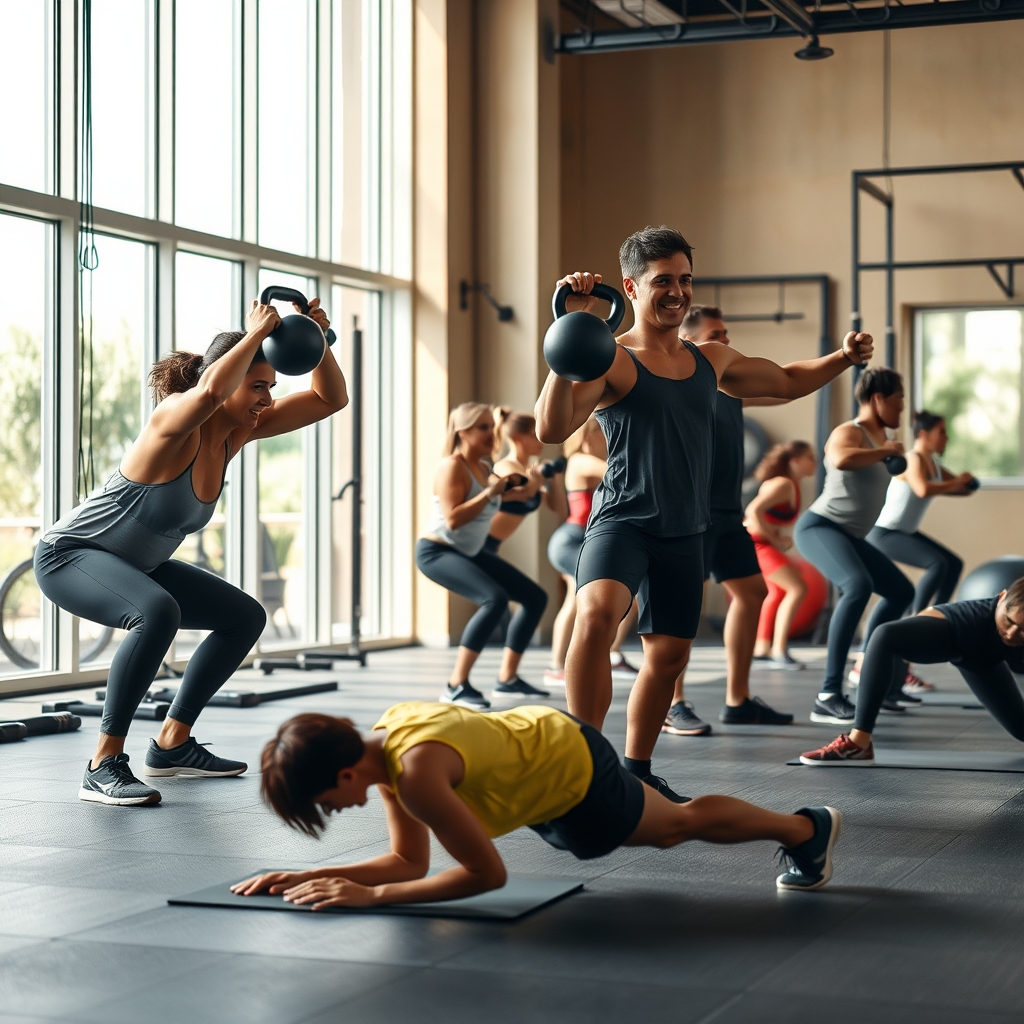
In a world where gyms are filled with complex machines and fitness trends come and go, functional fitness stands out as a timeless approach to building strength that translates directly into everyday life. Unlike traditional workouts that isolate specific muscles, functional fitness focuses on movements that mimic real-world activities—lifting, pushing, pulling, squatting, and rotating. These exercises not only enhance your physical capabilities but also improve your quality of life by making daily tasks easier and reducing the risk of injury.
The Philosophy Behind Functional Fitness
Functional fitness is rooted in the idea that your body should work as a cohesive unit, not a collection of isolated parts. Think about the movements you perform daily: carrying groceries, picking up a child, climbing stairs, or even getting up from a chair. These actions require multiple muscle groups to work together in harmony. Traditional weightlifting, while effective for building muscle, often fails to prepare your body for these compound movements. Functional fitness bridges that gap by emphasizing multi-joint exercises that engage your core, improve balance, and enhance coordination.
At its core, functional fitness is about practicality. It’s not about how much you can lift on a bench press but how efficiently you can lift a heavy box off the floor or carry it up a flight of stairs. This approach is particularly beneficial for older adults, as it helps maintain mobility, stability, and independence. However, it’s not just for seniors—athletes, office workers, and fitness enthusiasts of all ages can benefit from incorporating functional movements into their routines.
Key Functional Fitness Exercises
If you’re new to functional fitness, the good news is that you don’t need fancy equipment to get started. Many of these exercises rely on bodyweight or simple tools like dumbbells, kettlebells, or resistance bands. Here are some foundational movements to incorporate into your workouts:
1. Squats
Squats are the ultimate functional exercise because they mimic the motion of sitting and standing. They strengthen your quadriceps, hamstrings, glutes, and core while improving hip mobility. To make them more challenging, try goblet squats with a dumbbell or kettlebell held at chest level. This variation not only builds lower-body strength but also engages your upper body and core.
2. Deadlifts
Deadlifts are one of the most effective exercises for building posterior chain strength—the muscles along the back of your body, including your glutes, hamstrings, and lower back. This movement teaches you how to lift heavy objects safely, reducing the risk of back injuries. Start with a light weight to master the form, keeping your back straight and hinging at the hips as you lower the weight to the ground.
3. Push-Ups
Push-ups are a classic bodyweight exercise that targets your chest, shoulders, triceps, and core. They also improve shoulder stability, which is crucial for everyday activities like pushing a shopping cart or opening a heavy door. If standard push-ups are too challenging, modify them by doing them on your knees or against a wall until you build enough strength to progress.
4. Farmer’s Carry
The farmer’s carry is a simple yet powerful exercise that involves walking while holding heavy weights in each hand. This movement strengthens your grip, shoulders, core, and legs while improving your posture and endurance. It’s a fantastic way to prepare your body for real-life tasks like carrying luggage or moving furniture.
5. Planks
Planks are a static exercise that strengthens your entire core, including your abs, obliques, and lower back. A strong core is essential for maintaining balance and stability in everyday movements, from bending down to tie your shoes to reaching for something on a high shelf. Start with short holds and gradually increase the duration as your strength improves.
Designing a Functional Fitness Routine
Creating a functional fitness routine doesn’t have to be complicated. The key is to focus on compound movements that engage multiple muscle groups and challenge your body in ways that mirror real-life activities. Here’s a simple weekly plan to get you started:
Day 1: Full-Body Strength
- Squats: 3 sets of 12 reps
- Push-Ups: 3 sets of 10 reps
- Deadlifts: 3 sets of 8 reps
- Plank: 3 sets of 30-second holds
Day 2: Mobility and Stability
- Lunges: 3 sets of 10 reps per leg
- Farmer’s Carry: 3 sets of 30-second walks
- Bird Dogs: 3 sets of 10 reps per side
- Glute Bridges: 3 sets of 12 reps
Day 3: Active Recovery
- Yoga or stretching routine
- Light walking or swimming
Day 4: Upper-Body Focus
- Pull-Ups or Lat Pulldowns: 3 sets of 8 reps
- Dumbbell Shoulder Press: 3 sets of 10 reps
- Bent-Over Rows: 3 sets of 10 reps
- Side Planks: 3 sets of 20-second holds per side
Day 5: Lower-Body and Core
- Bulgarian Split Squats: 3 sets of 8 reps per leg
- Step-Ups: 3 sets of 10 reps per leg
- Russian Twists: 3 sets of 15 reps per side
- Leg Raises: 3 sets of 12 reps
Remember, the goal of functional fitness is not just to look strong but to be strong in ways that matter. Listen to your body, progress at your own pace, and focus on form to avoid injuries. Over time, you’ll notice improvements not just in the gym but in your daily life—whether it’s carrying groceries without strain, playing with your kids without fatigue, or simply moving through the world with greater ease and confidence.
Functional fitness is more than a workout; it’s a lifestyle that empowers you to live fully, move freely, and embrace the physical demands of life with resilience. By training your body to work as a unified system, you’re not just building muscle—you’re building a foundation for a healthier, more capable future. Every squat, every lift, and every plank is a step toward a stronger, more functional you, ready to tackle whatever challenges come your way.
You may also like
-
The Forgotten Pillar of Fitness: Why Flexibility Deserves Your Attention
-
The Silent Fitness Revolution: How Micro-Workouts Are Redefining Exercise for Busy Lives
-
The Fitness Alchemy: How Nutrition and Exercise Create Lasting Transformation
-
Breathing Your Way to Better Fitness: The Transformative Power of Respiratory Training
-
The Art of Active Recovery: How Low-Impact Workouts Can Supercharge Your Fitness Progress